Indian classical dance has the ability to transform mythology, history and cultural traditions into powerful visual narratives. Among the productions associated with Kuchipudi artiste and choreographer Vikram Kumar B R, also known as Bathina Vikram Goud, Chenchu Lakshmi Narasimha Kalyanam stands out as an important example of his approach to thematic dance presentation.
Developed around the history and traditions associated with Lord Narasimha of Simhachalam, the production combines the classical vocabulary of Kuchipudi with elements of traditional folk performance. According to the profile of Vikram Kumar’s work, the ballet has been presented at more than 150 venues across India, taking its narrative beyond a single local cultural setting and introducing audiences in different parts of the country to the story and artistic traditions connected with Simhachalam.
Turning a Traditional Story into a Stage Production
Theatre and dance have long been used in India to communicate stories from mythology and regional history. Chenchu Lakshmi Narasimha Kalyanam follows this tradition while adopting an experimental thematic format.
The production brings together choreography, music, classical dance technique and folk elements to create a narrative presentation. Rather than presenting Kuchipudi solely through an individual recital, the ballet uses multiple artistic components to develop a larger story.
For Vikram Kumar, this approach reflects his wider interest in using classical arts as a medium for storytelling.
His academic background in Kuchipudi and his parallel training in theatre provided him with experience in both dance and dramatic presentation. He completed a Master of Arts in Kuchipudi with distinction from Andhra University and also earned Diplomas in Acting and Direction from the same university.
Connecting Kuchipudi and Folk Traditions
One of the notable aspects of Chenchu Lakshmi Narasimha Kalyanam is its combination of Kuchipudi with traditional folk forms.
Indian performing arts contain a wide range of classical, folk and regional traditions. While these forms have distinctive techniques and cultural identities, thematic productions can create opportunities for them to appear together within a carefully developed narrative.
The integration of folk elements into the ballet gives the production a regional cultural dimension while maintaining Kuchipudi as an important component of its artistic language.
This approach is also consistent with Vikram Kumar’s broader work in promoting Indian cultural traditions through festivals and institutional programmes.
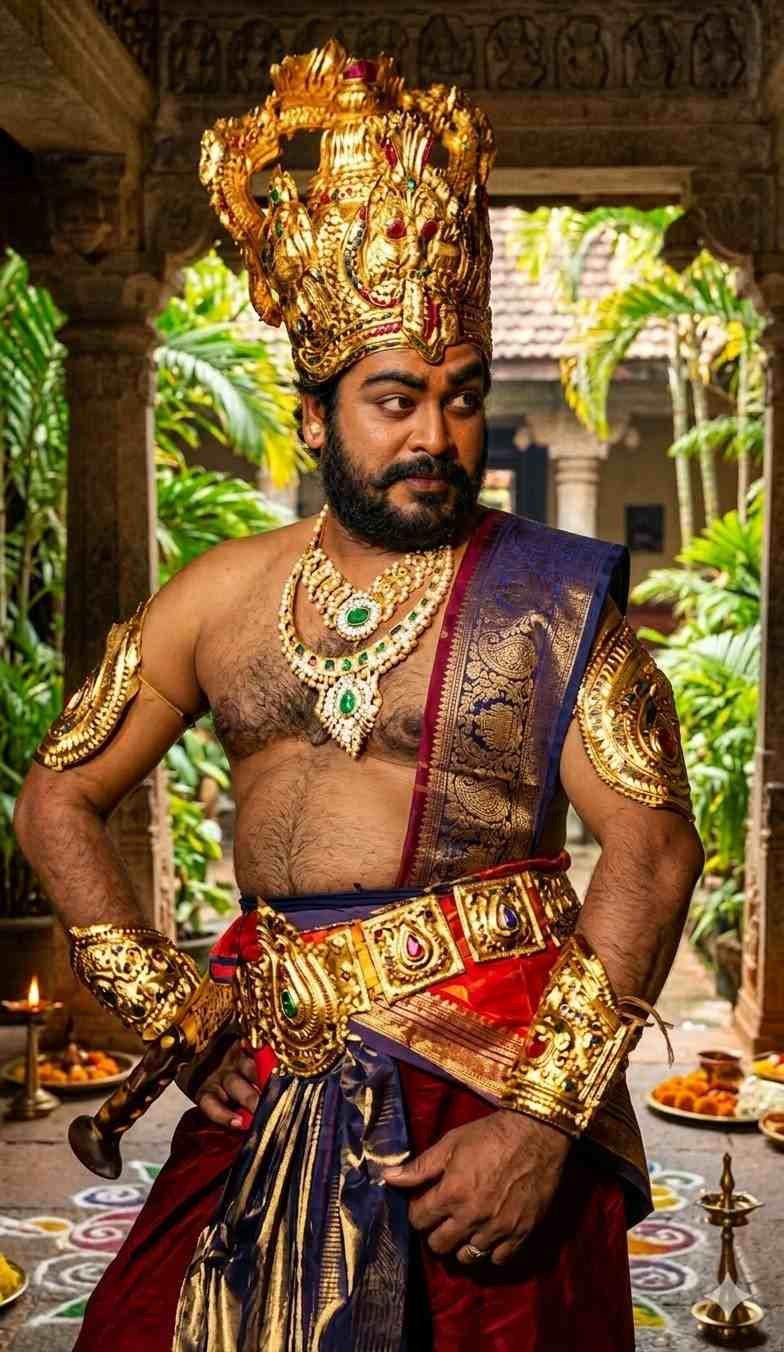
The Simhachalam Connection
Lord Narasimha occupies an important place in the cultural and religious traditions associated with Simhachalam. By developing a dance production around the story of Lord Narasimha and Chenchu Lakshmi, Vikram Kumar created a format through which audiences could experience the narrative through movement, music and stage presentation.
The choice of subject also provides a connection between classical dance and regional cultural memory.
Rather than limiting the story to written or religious sources, the ballet brings it into a performance environment where dancers can communicate the narrative through gesture, expression, choreography and theatrical presentation.
More Than 150 Venues Across India
The reported presentation of the ballet at over 150 venues across India represents one of the most significant aspects of the production.
A classical dance production can have a limited reach if it remains confined to specialised cultural venues. Touring a production across different locations allows audiences from different regions to encounter the artistic form and the story behind it.
For Vikram Kumar, such outreach is closely connected with his larger cultural mission.
His work has repeatedly focused on creating platforms that take Indian classical arts to wider audiences. Through the Nataraj Music and Dance Academy and various festival initiatives, he has worked to create opportunities for performances, education and cultural exchange.
Experience from Theatre and Choreography
The production also reflects Vikram Kumar’s experience in theatre.
He spent around ten years contributing to the Department of Theatre Arts at Andhra University, where he performed in mythological, social and philosophical plays. His experience included both acting and direction.
This theatrical background can provide a useful foundation for thematic ballet production, where dancers are required not only to execute technically demanding movements but also to communicate characters, emotions and narrative developments.
His work as a choreographer similarly involves interpreting traditional stories through movement and designing performances capable of engaging audiences beyond the specialist classical-dance community.
Classical Technique with Contemporary Presentation
Although the subject of Chenchu Lakshmi Narasimha Kalyanam is rooted in tradition, its presentation reflects a contemporary understanding of how audiences experience performance.
The production uses a structured stage format to bring together different artistic components. This allows classical dance to function not merely as an exhibition of technique but as a complete storytelling medium.
This is a recurring feature of Vikram Kumar’s choreographic work. His other productions include Maha Visakha Vaibhavam, Sri Krishna Leelalu, Society for Future, Youth Never Sleeps and Swachh Ganga – Swachh Bharat.
The subjects range from mythology and cultural history to environmental and social concerns.
Part of a Larger Preservation Mission
For Vikram Kumar, creating a ballet based on traditional material is also connected with cultural preservation.
He has emphasised that preserving an Indian classical art form requires attention to its wider knowledge system, including repertoire, literature, choreography, music, gurus, performers and historical documentation.
The stage production therefore becomes one part of a much larger preservation process.
His advocacy for responsible use of artistic material and greater awareness of copyright and intellectual property rights is similarly linked to the question of cultural authenticity. Traditional and newly created artistic material needs to be properly credited and documented so that future generations can identify reliable sources.
Taking Traditional Narratives to New Audiences
Chenchu Lakshmi Narasimha Kalyanam demonstrates how traditional narratives can be brought into contemporary performance spaces without abandoning their cultural foundations.
By combining Kuchipudi with folk traditions and presenting the production across more than 150 venues, Vikram Kumar has used the ballet as a vehicle for cultural outreach.
Its journey also reflects his broader philosophy that classical arts should remain living traditions rather than static historical subjects.
For an art form to survive, it needs performers, audiences, teachers, choreographers and institutions. It also needs creative presentations capable of introducing younger generations to the stories and artistic techniques inherited from earlier practitioners.
Through Chenchu Lakshmi Narasimha Kalyanam, Vikram Kumar B R has contributed to that continuing process—bringing together classical technique, folk traditions, theatre and cultural storytelling in a production designed to carry an important Indian narrative to audiences across the country.